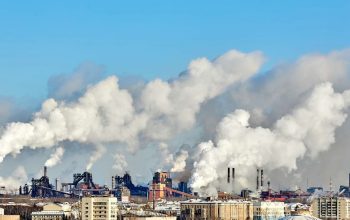
Smog, a portmanteau of “smoke” and “fog,” refers to a type of air pollution characterized by a mixture of smoke, particulate matter, and chemical fumes. It often hangs over urban areas, obscuring visibility and posing serious health risks to inhabitants. Understanding the origins, health implications, and strategies for mitigating smog is crucial for addressing this pervasive environmental issue.
Smog meaning – definition
Smog formation is primarily attributed to the interaction of pollutants emitted from various sources, including vehicular exhaust, industrial emissions, and agricultural activities. These pollutants, such as nitrogen oxides and volatile organic compounds, undergo chemical reactions in the presence of sunlight to form ground-level ozone and fine particulate matter. This process, known as photochemical smog formation, is exacerbated by factors such as temperature inversions and stagnant air masses, which trap pollutants close to the Earth’s surface, leading to the accumulation of smog.

Smog meaning for health, what diseases it causes
The health impacts of smog are far-reaching and encompass respiratory, cardiovascular, and neurological ailments. Exposure to high levels of smog can exacerbate existing conditions such as asthma, bronchitis, and emphysema, leading to increased hospitalizations and mortality rates. Prolonged exposure to smog has also been linked to the development of lung cancer, heart disease, and cognitive impairments. Vulnerable populations, including children, the elderly, and individuals with pre-existing health conditions, are particularly susceptible to the adverse effects of smog, highlighting the urgent need for comprehensive air quality management strategies.
Smog meaning for local governments, how to reduce smog?
Local governments play a pivotal role in reducing smog levels through the implementation of targeted policies and initiatives. Measures such as stringent emission standards for vehicles and industries, promotion of public transportation and cycling infrastructure, and enforcement of anti-idling regulations can significantly reduce pollutant emissions and mitigate smog formation. Additionally, investing in green spaces, urban forestry, and renewable energy sources can help improve air quality and enhance the resilience of communities against the adverse effects of smog. Collaborative efforts involving stakeholders from government, industry, and civil society are essential for developing holistic solutions to combat smog and safeguard public health and the environment. The smog meaning in the context of human health is primarily respiratory diseases and general satisfaction. It is worth making every effort to limit the impact of industry on the natural environment, including the air we breathe.

Smog represents a complex environmental challenge with profound implications for public health and well-being. By understanding the mechanisms of smog formation, acknowledging its adverse health effects, and implementing targeted interventions, we can work towards mitigating smog and creating cleaner, healthier communities. It is imperative for local governments to prioritize air quality management efforts and collaborate with stakeholders to enact sustainable policies that protect both current and future generations from the harmful impacts of smog. Together, we can strive towards a future where clean air is a fundamental right for all.
Author Profile

Latest entries
 Electricity & ElectronicsFebruary 17, 2026Precision Engineering and Reliability in Industrial Power Transmission
 TechnologyJanuary 18, 2026Working at Height: Why Reliable Fall Protection Is Non-Negotiable
 Home & GardenNovember 18, 2025Finestre moderne: design, funzionalità e soluzioni innovative
 Health & BeautyJune 28, 2025Rehabilitační pomůcky nové generace: pohodlí a funkčnost v jednom