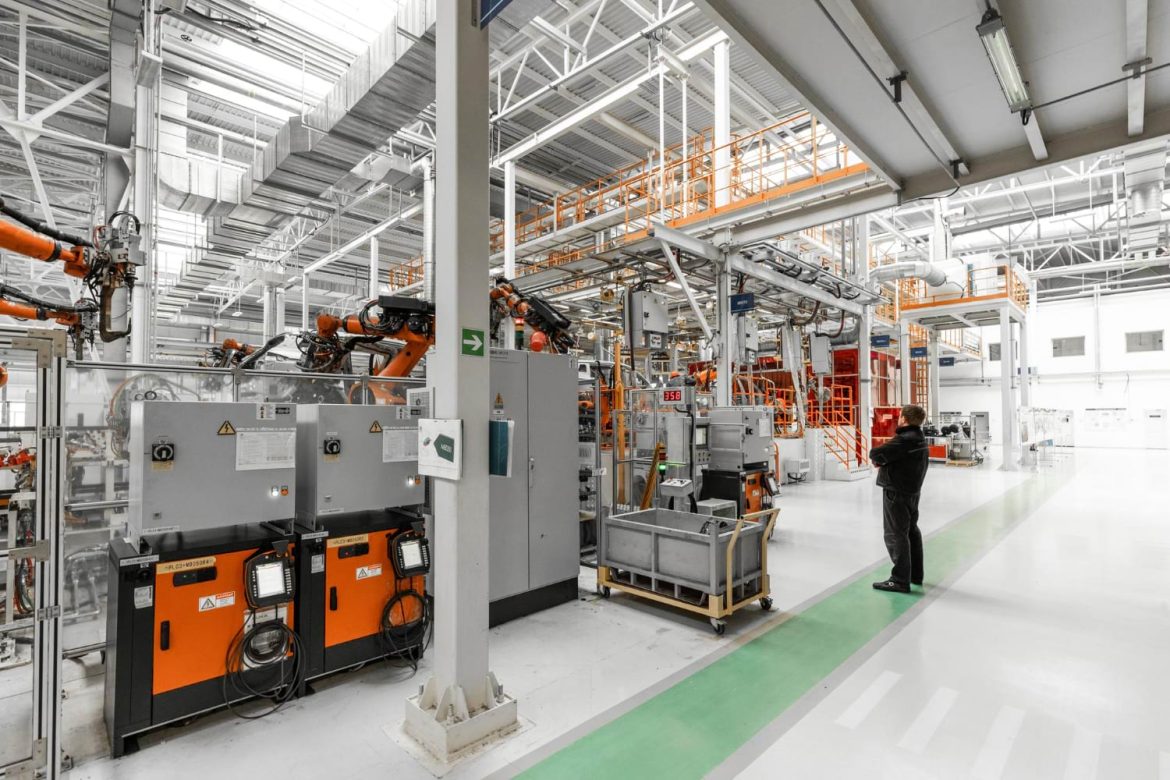
The Japanese term “Gemba” translates to “the real place” or “the actual place.” In the context of businesses, it often refers to the sales office, factory floor, or any location where value is created and delivered. Gemba is not just a physical space but a concept that emphasizes the importance of firsthand observation and engagement in the operational environment.
Organizations striving for operational excellence often adopt practices rooted in this concept to optimize processes, enhance collaboration, and identify opportunities for improvement. One of the most recognized tools associated with Gemba is the Gemba Walk, a structured approach to gaining insights into day-to-day operations.

The gemba walk: A practical tool for improvement
The Gemba Walk involves managers and leaders walking through the actual workplace to observe processes, engage with employees, and understand challenges and inefficiencies. This practice allows decision-makers to gain a deeper appreciation of the work environment and identify opportunities for improvement directly at the source of operations.
Taiichi Ohno, a key figure in developing the Toyota Production System, championed the idea of going to the Gemba to uncover inefficiencies and improve processes. His approach underscored the importance of not relying solely on reports or theoretical assumptions but instead experiencing the reality of operations firsthand.
During a Gemba Walk, leaders are encouraged to focus on three key principles:
- Observe processes, not just outcomes: The goal is to understand how tasks are performed and identify any bottlenecks or waste.
- Engage with employees: Conversations with frontline staff provide valuable insights into operational challenges and innovative ideas for improvement.
- Ask questions and seek clarity: Leaders should avoid jumping to conclusions and instead ask questions to understand the root causes of issues.
By adopting these principles, organizations can ensure that their improvement efforts are grounded in reality and address the actual needs of their operations.
The legacy of Taiichi Ohno continues to influence modern business practices. The Gemba Walk, inspired by his teachings, has become a cornerstone of lean management, enabling organizations to address inefficiencies and foster a culture of continuous improvement.
How gemba walks drive organizational success
The Gemba Walk is not just a tool for identifying problems but also a means to build stronger relationships between management and employees. By engaging with staff on the frontline, leaders demonstrate their commitment to understanding and supporting their teams. This fosters trust and collaboration, leading to more effective problem-solving and innovation.
Moreover, the Gemba Walk enables organizations to:
- Identify waste: Observing operations in real time reveals inefficiencies and areas where resources are being misused.
- Enhance communication: Direct interactions with employees improve the flow of information and reduce misunderstandings.
- Drive accountability: Leaders who participate in Gemba Walks are better positioned to take ownership of issues and implement meaningful changes.
Incorporating the Gemba Walk into an organization’s routine creates a culture where continuous improvement becomes a shared responsibility, driving long-term success.

Beyond observation: Integrating insights from the gemba walk
While the Gemba Walk provides valuable insights, its effectiveness depends on how organizations act on the information gathered. After each walkthrough, it is essential to document observations, analyze findings, and develop actionable plans. Engaging employees in this process ensures that improvements are practical, sustainable, and aligned with the needs of the workforce.
Key steps to maximize the impact of Gemba Walks include:
- Prioritize findings: Focus on high-impact areas that align with organizational goals.
- Involve employees in solutions: Collaboration leads to more innovative and effective outcomes.
- Monitor progress: Regular follow-ups ensure that improvements are implemented successfully and deliver the desired results.
By treating the Gemba Walk as a continuous process rather than a one-time activity, organizations can cultivate a culture of learning and adaptability.
Author Profile

Latest entries
 Electricity & ElectronicsFebruary 17, 2026Precision Engineering and Reliability in Industrial Power Transmission
 TechnologyJanuary 18, 2026Working at Height: Why Reliable Fall Protection Is Non-Negotiable
 Home & GardenNovember 18, 2025Finestre moderne: design, funzionalità e soluzioni innovative
 Health & BeautyJune 28, 2025Rehabilitační pomůcky nové generace: pohodlí a funkčnost v jednom