
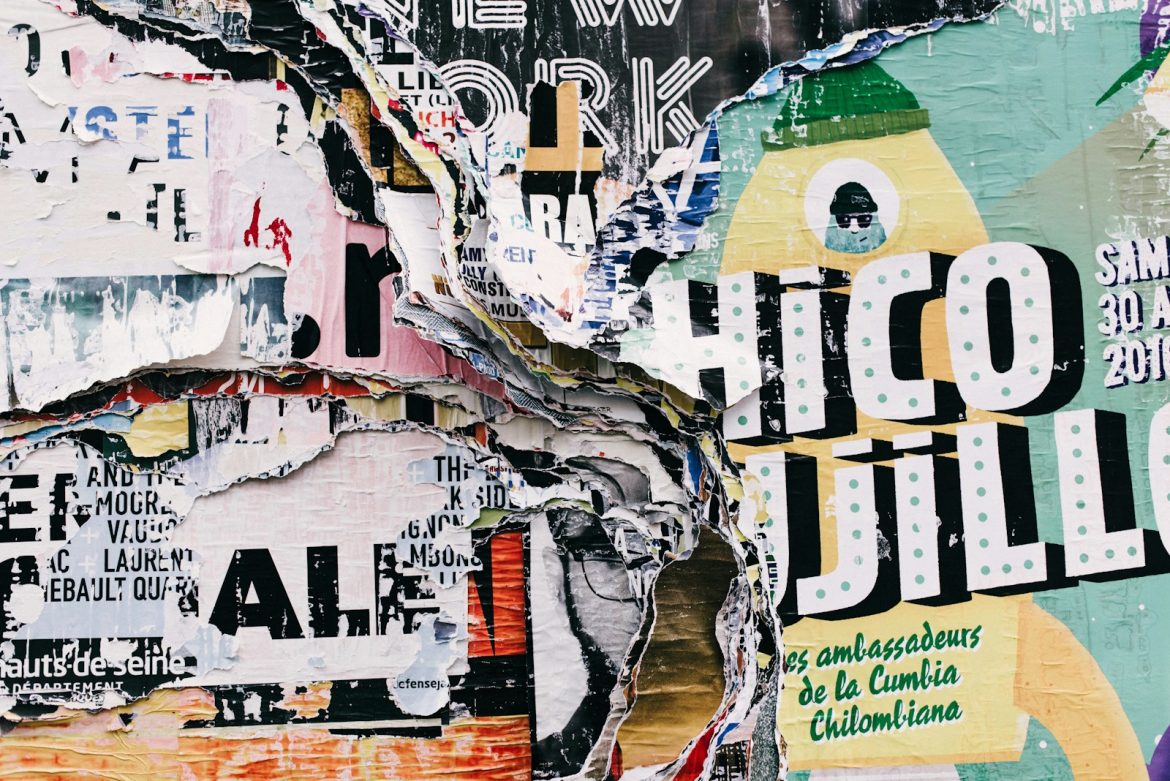
What is contemporary art? Discover the fascinating world of avant-garde and experimentation
Contemporary art is an extremely fascinating and at the same time ambiguous and difficult to define phenomenon. It covers a wide spectrum of various artistic practices that are constantly evolving, crossing the boundaries of traditional disciplines and defying clear classifications. In this article, we will take a closer look at what contemporary art is, what its main features are and how it has developed over the last decades.
What is contemporary art? Definition
Contemporary art is a concept that refers to artistic works created from the 1960s to the present day. It is an extremely diverse and dynamic area, characterized by a constant search for new forms of expression, experimenting with materials and techniques, and tackling new topics and problems.
Unlike modern art, which emerged from the traditions of the avant-garde artistic movements of the first half of the 20th century, contemporary art is not stylistically or ideologically coherent. Instead, it is characterized by pluralism, eclecticism and openness to various inspirations. Contemporary artists draw on the achievements of modernist art, but at the same time they are looking for completely new means of expression, often going beyond the traditional framework of painting, sculpture or graphics.
One of the key features of contemporary art is its strong involvement in current social, political and cultural issues. Artists increasingly tackle topics related to identity, gender, race, ecology and global issues. Art becomes a tool for commenting on reality, expressing opposition or proposing alternative visions of the world. Learn the detailed definition of contemporary art!

The main features of modern art
When trying to define contemporary art, we can point out several of its key features:
Variety of forms and means of expression
Contemporary art is characterized by an extraordinary diversity of forms and means of expression. In addition to traditional techniques such as painting, sculpture and graphics, artists eagerly use new media such as photography, video, installations, performance and Internet art. The boundaries between individual disciplines are blurring, and artists freely combine various techniques and materials.
Conceptualism and dematerialization of a work of art
A key role in contemporary art is played by conceptualism, i.e. the emphasis on the idea, concept or concept behind the work, rather than on its material form. Artists are increasingly abandoning traditional objects in favor of ephemeral, immaterial activities, performances and installations. A work of art becomes a process, an experience or an idea, not a finished object.
Social and political involvement
Contemporary art is becoming more and more involved in current social, political and cultural problems. Artists address topics related to identity, gender, race, ecology, globalization and ethical issues. Art becomes a tool for commenting on reality, expressing opposition or proposing alternative visions of the world.
Interdisciplinarity and hybridity
Contemporary art is characterized by interdisciplinarity and hybridity. Artists like to combine various fields, such as art, science, technology, design and crafts. Works are created that are difficult to clearly classify, defying traditional divisions into individual artistic disciplines.
Despite various challenges and controversies, contemporary art remains an extremely dynamic, inspiring and important area of creativity that constantly evolves, surprises and provokes reflection. Its diversity, experimentation and social involvement make it a fascinating phenomenon worth learning and discovering.
Author Profile

Latest entries
 Electricity & ElectronicsFebruary 17, 2026Precision Engineering and Reliability in Industrial Power Transmission
 TechnologyJanuary 18, 2026Working at Height: Why Reliable Fall Protection Is Non-Negotiable
 Home & GardenNovember 18, 2025Finestre moderne: design, funzionalità e soluzioni innovative
 Health & BeautyJune 28, 2025Rehabilitační pomůcky nové generace: pohodlí a funkčnost v jednom


