Real Risks Above the Ground
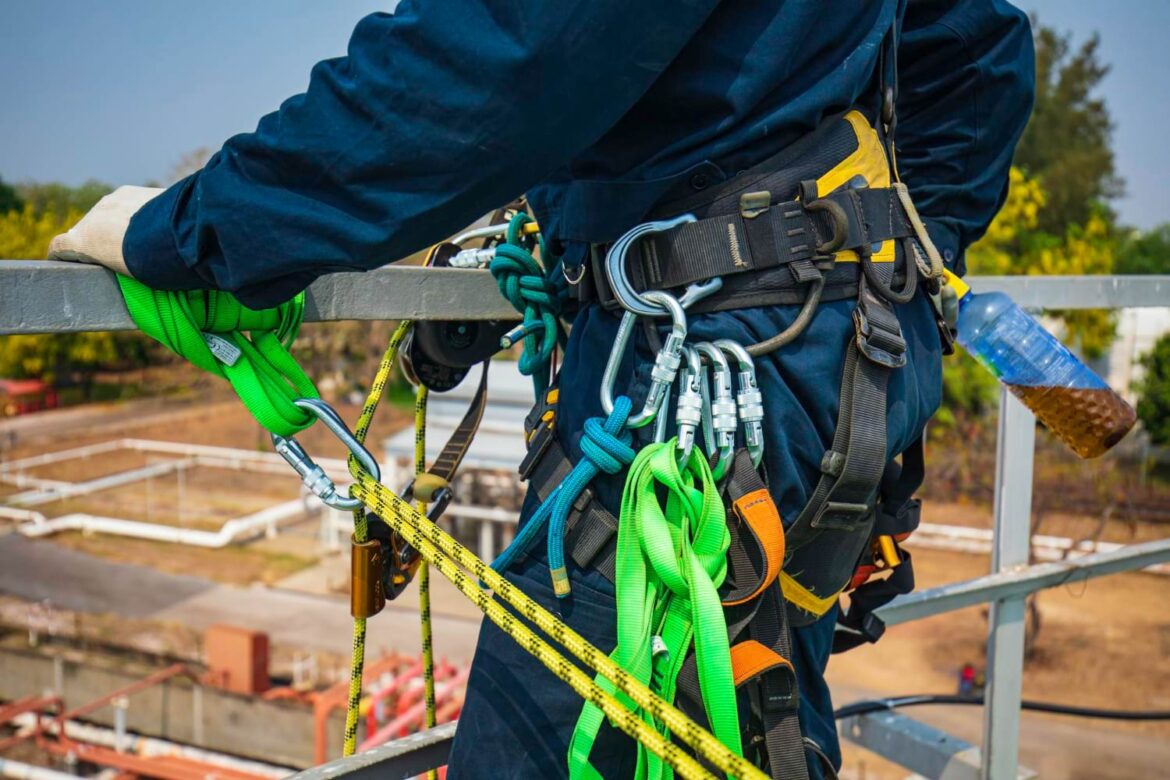
Working at height is one of the most demanding tasks in many industries: construction, maintenance, telecommunications, and energy. The higher the worksite, the smaller the margin for error. A moment of distraction, an unexpected gust of wind, a slippery surface, or a poorly secured anchor point can turn a routine activity into a life-threatening incident. That’s why planning and discipline matter as much as strength or experience.
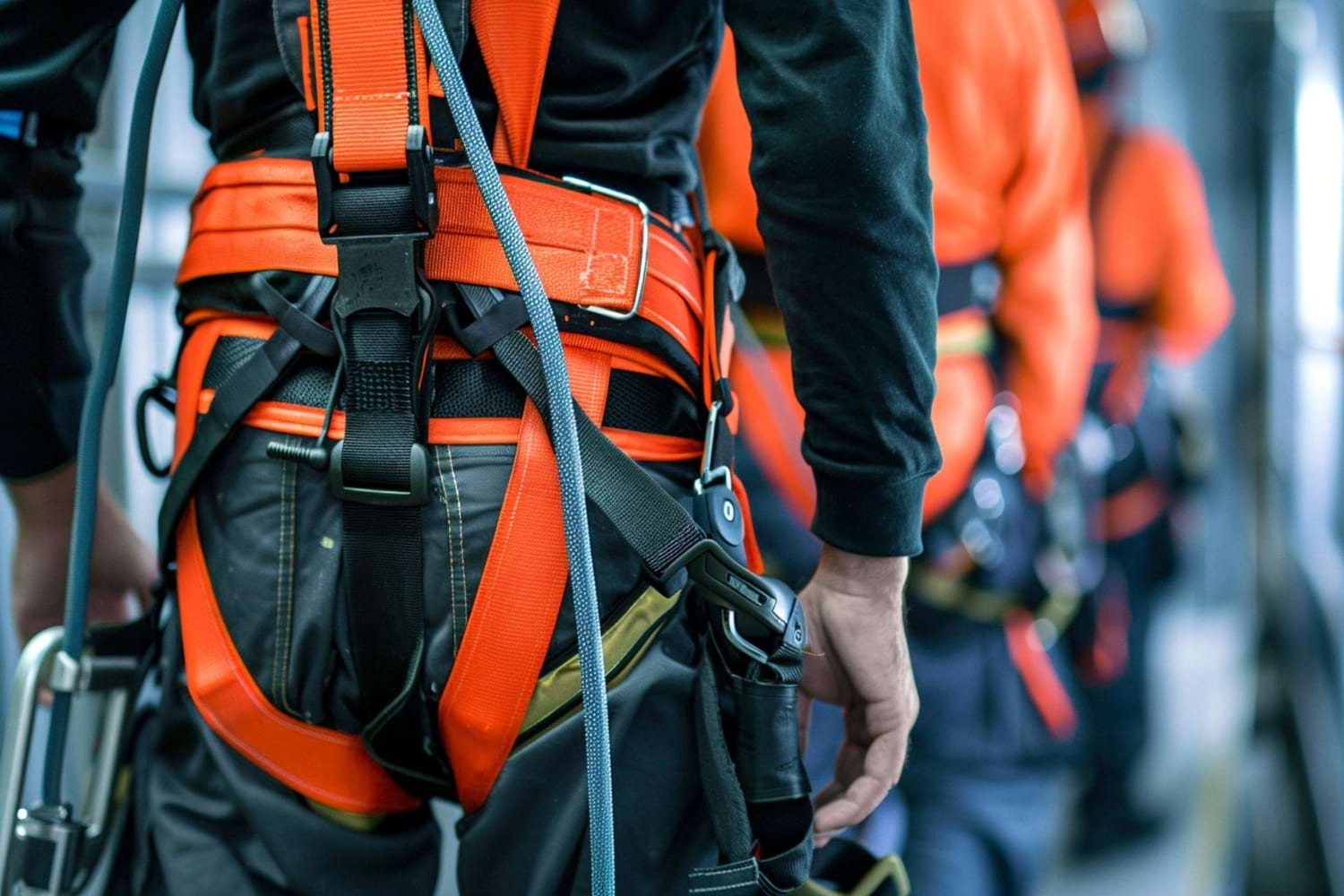
Effective fall protection starts long before anyone climbs. A solid assessment should consider the height, edge exposure, rescue possibilities, weather, and the compatibility of equipment. Training is essential, because even high-quality gear can fail in practice if it is used incorrectly: incorrect harness adjustment, wrong connector choice, or poor positioning can reduce protection dramatically. Regular inspections, clear procedures, and a culture where people speak up about unsafe conditions are equally important. The goal is not only to comply with standards, but to make sure every worker can return home safely after each shift.
Equipment That Reduces Human Error
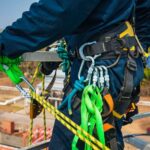
An employee hanging on the rope or in the harness is exposed to the risk of falling from a dozen or more meters. In order to guarantee adequate protection and eliminate the risk of accidents resulting from carelessness or equipment failure, it’s recommended to use special retractable type and guided type fall arresters. In practical terms, these systems help reduce the impact of hesitation or missteps, because they react quickly and support controlled movement during work.
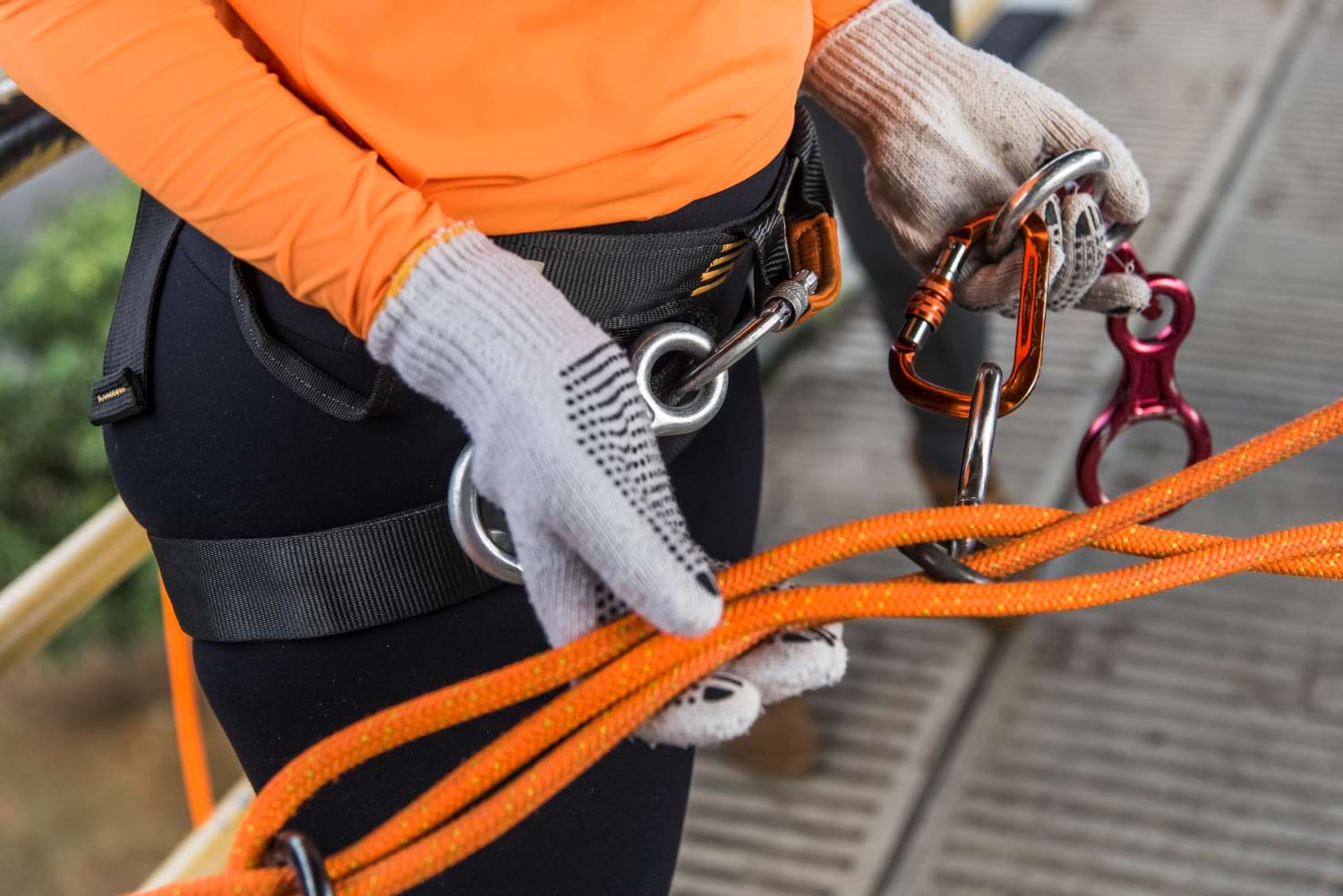
To strengthen protection on variable work positions—especially where movement is frequent—many teams choose solutions such as retractable fall arresters, which can limit free-fall distance and help keep forces within safer ranges when a fall occurs. Guided type systems are also valuable when working on fixed lines or ladders, supporting stability while changing levels. However, equipment alone is never enough: it must be selected for the task, installed correctly, inspected regularly, and paired with a rescue plan that can be executed fast. When procedures, training, and the right gear work together, risk is reduced not by luck, but by design.
Author Profile

Latest entries
 Electricity & ElectronicsFebruary 17, 2026Precision Engineering and Reliability in Industrial Power Transmission
 TechnologyJanuary 18, 2026Working at Height: Why Reliable Fall Protection Is Non-Negotiable
 Home & GardenNovember 18, 2025Finestre moderne: design, funzionalità e soluzioni innovative
 Health & BeautyJune 28, 2025Rehabilitační pomůcky nové generace: pohodlí a funkčnost v jednom